For months, top Venezuelan officials quietly told Washington they could deliver stability, oil, and continuity if Maduro were removed but the Chavismo left standing.
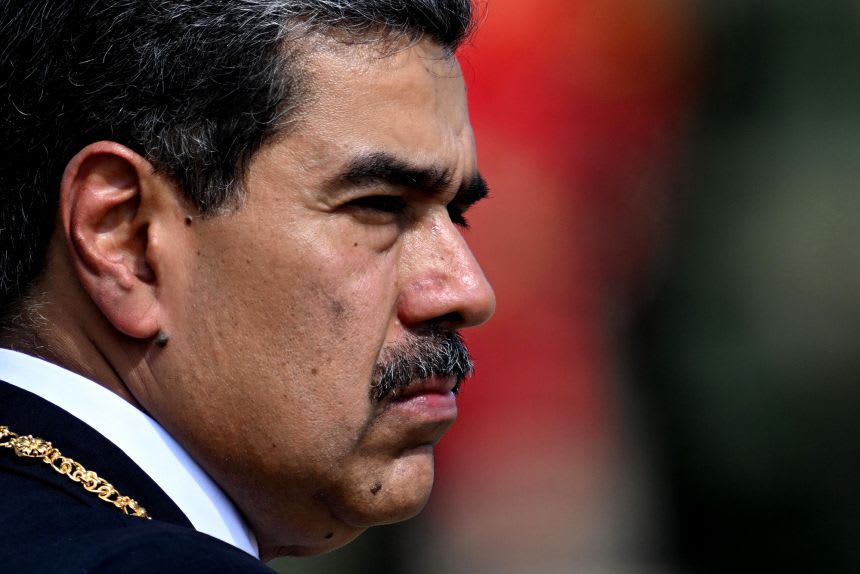
Delcy Rodríguez, the former vice president and acting president of Venezuela.
January 2026. You're in Caracas. It's just after midnight on a cold night, and the entire block has gone black. It's quiet, almost too quiet. The TV has gone black and silent, the rattling from the heater is gone, and even the buzz from the overhead lights is gone. It's so quiet you could hear a pin drop.
But you're not focused on that, no, you're just trying your best to keep warm through the night, with hopes the power comes back on before morning. You find yourself dozing off to sleep under a mountain of blankets when the entire building begins to vibrate and shake with the sound of thunder booming through the air. You look at the window, there must be a bad storm, but the ground is dry.
Instead, you see the entire sky light up with what almost looks like a shooting star. It's getting closer, and closer, and closer, until you hear a loud explosion in the city, you look away for just a second, and then everything goes black.
As it turns out, it wasn't a storm, or a shooting star, it was an air strike. A bomb the U.S. military hand delivered straight to you.
But why you? You aren't a soldier. You don’t have any political opinions. You were a person who loved their mother’s smile and the wag of the neighbor’s dog. You died because of a “no” whispered in a room in Qatar four months earlier.
In September, a deal was on the table. Maduro leaves, Delcy Rodríguez takes the helm, the oil flows to America, and the U.S. indictment against Maduro vanishes. But the U.S. said no. Twice. They chose the bloodshed over the handshake, and in the gap between those two choices, your life — and the lives of at least 79 others — simply vanished.
WHAT WE DIDN’T SEE ON TV
Last April, and then again in September the Vice President of Venezuela, Delcy Rodríguez and her brother Jorge went to the Qataris asking for them to play middleman with the U.S. They didn’t want bloodshed. They weren’t just asking for a way out; they were offering to meet in the middle.
They called it “Madurismo without Maduro.”
The idea was that Delcy Rodríguez steps in as the institutional bridge, Maduro retires to a safe house somewhere with a security guarantee, Maduros charges are dropped, and in return the U.S. gets its oil companies back into the Orinoco belt. As of right now, Chevron is the only U.S. oil company allowed to export from Venezuela because of sanctions the United States placed on the country. And even when they attempted to
We’ve known for ages that all Trump sees when he looks at Venezuela is oil. That is precisely why he’s repeatedly attempted to stage a coup, going back to his first administration, something
confirmed by both Trump and his former national security advisor, John Bolton. As part of that, the Trump Administration filed charges on Maduro, his wife, and several others in the Venezuelan government. In 2020, they were charged with trafficking, gun charges, and narco-terrorism. These are the charges Maduro is facing in New York now.
Of course, we know that it’s not just Trump. The U.S. has been trying to seize control of Venezuela going back to the 1920s. Just like America did to Iran when they tried to take control of their oil.
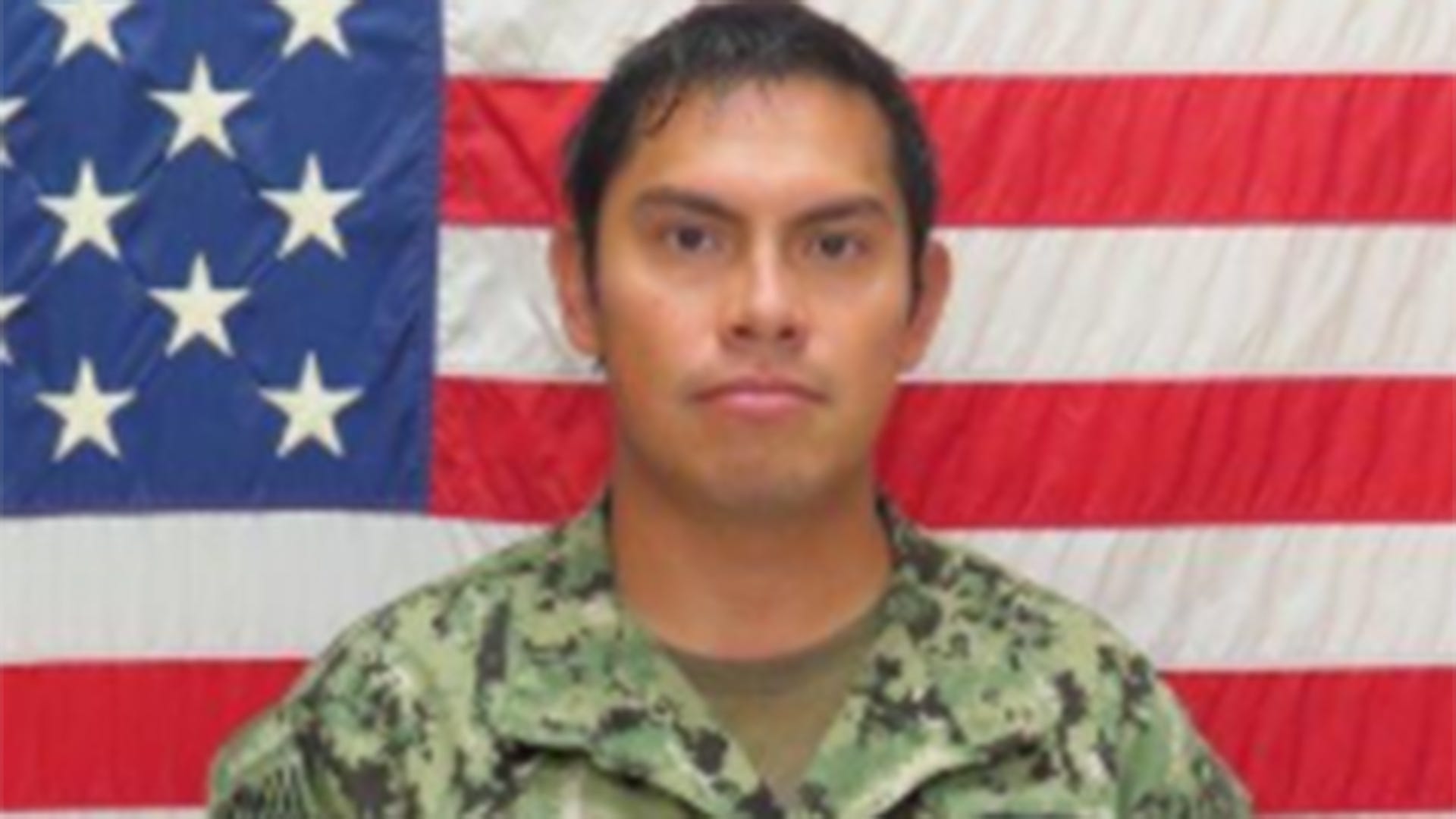
In 2024, during the Biden administration, a former special op’s Navy SEAL named Wilbert Castañeda was arrested in Venezuela for allegedly being part of the CIA plot to assassinate Maduro and several others in Venezuelan leadership using 400 American-supplied weapons to the Tren de Aragua gang.
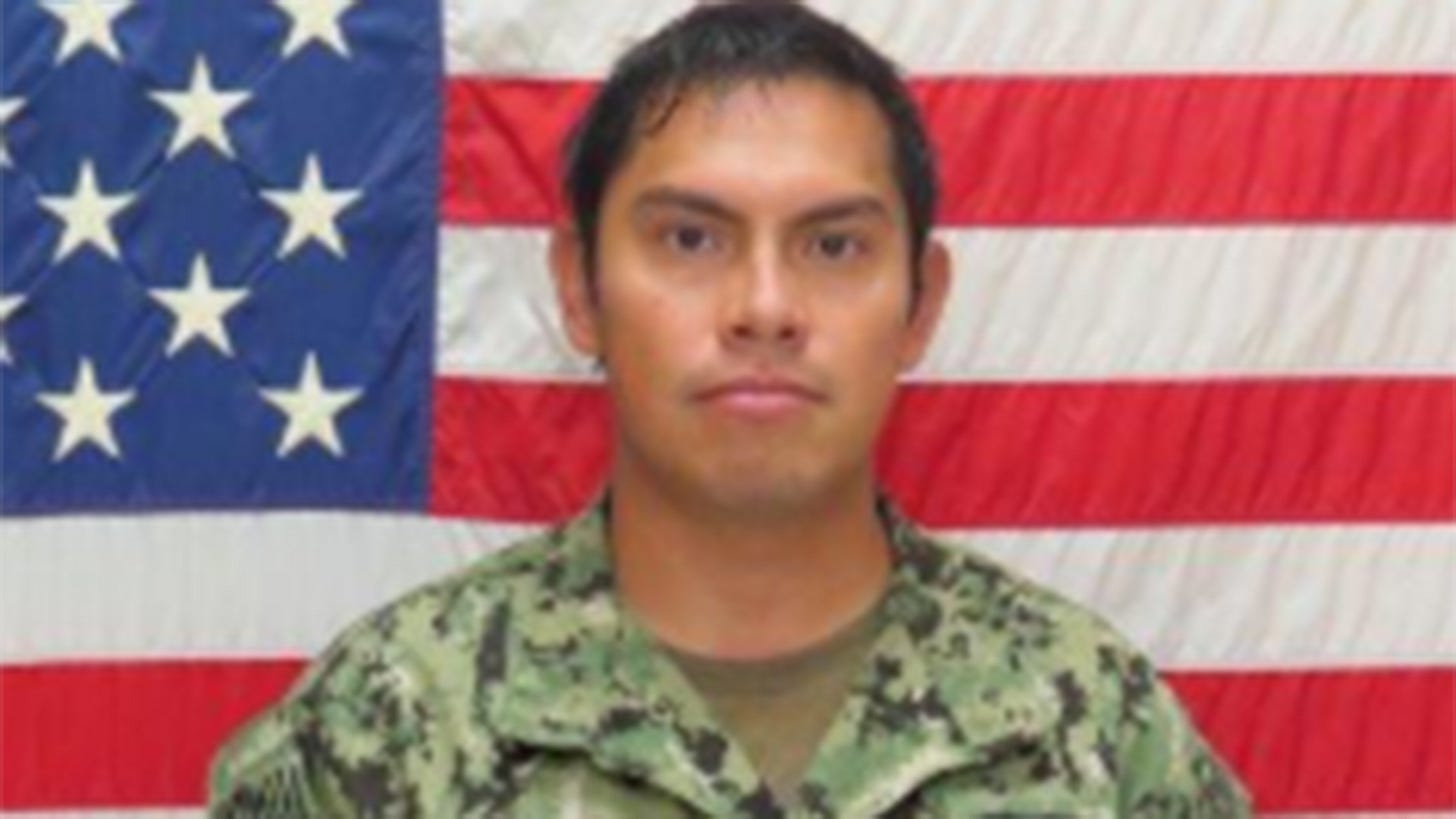
Wilbert Joseph Castañeda, former Navy SEAL who was arrested in Venezuela in 2024 for an alleged CIA plot.
This was despite the fact that the Biden administration had actually eased up sanctions on Venezuela, allowing them to oil as long as they promised to keep elections fair and free.
The difference between then and now? Now, the president of the U.S. just openly brags about ‘covert’ CIA interference in foreign lands on live TV in 2024.
Wilbert Castañeda was released earlier this year as part of a trade deal allowing the the 252 Venezuelan men — most without charges, some with asylum claims in the U.S. — to be released from CECOT and sent to Venezuela.
Ultimately, the Trump administration refused the detail. They said that the Rodríguez siblings were just as dirty as Maduro, and were guilty of money laundering for the Cartel of the Suns.
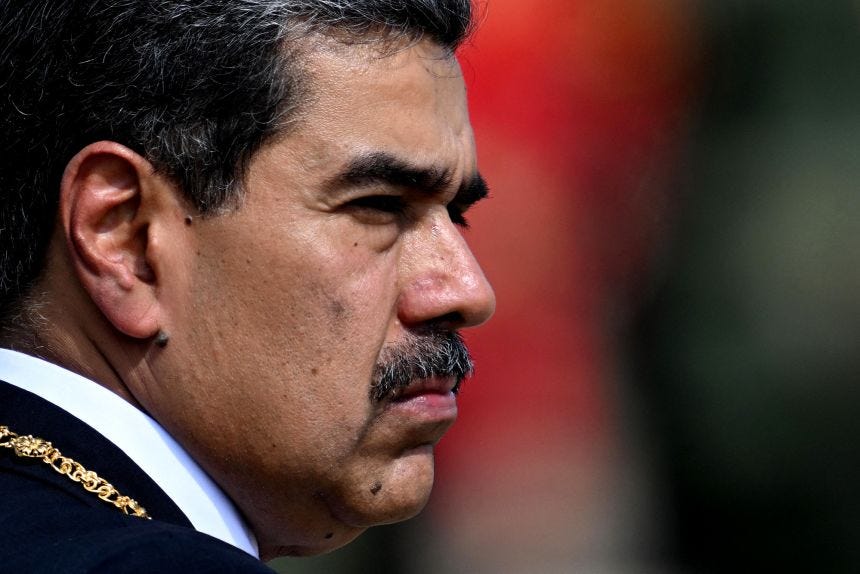
But just hours after ‘capturing’ Maduro, Trump announced that Delcy Rodríguez has sworn in as president, and as long as she plays ball with what he wants, she will continue to be president. But the U.S. will be running the country until a ‘proper transition’ can take place.
But if she doesn’t play ball? Trump warned her in an interview that if she does not cooperate, she will pay a “very big price, probably bigger than Maduro.”
The flags in Caracas have changed, but the scent of smoke remains the same. We are told this is a “proper transition,” a restoration of order, and a victory for democracy. But for those watching from the outside, it looks like a century-old script finally reaching its final act. From the oil fields of Iran in the 50s to the Orinoco belt today, the price of “cooperation” is always paid in the currency of sovereign blood.
The U.S. didn’t just want Maduro gone; they wanted the keys to the kingdom. They have them now. And as the first American tankers prepare to dock and the “Madurismo without Maduro” experiment begins under Washington’s thumb, we have to ask: was the oil worth the eighty lives that vanished in a single January heartbeat? Or was the “no” in Qatar always intended to lead to this?